
Mason & Hamlin Piano Values (2026): What They're Worth, Prices & Used Mason & Hamlin Pianos for Sale
Is Mason & Hamlin as good as Steinway?
Many technicians consider golden-era Mason & Hamlins their equal — some prefer them. What Mason lacks is name recognition, which is exactly why used prices are friendlier.
Mason & Hamlin prices right now: 43 priced Mason & Hamlin pianos listed on US Piano Connection ask $1,495 to $68,500, median $22,990 (live, refreshed hourly). Prices by model · Free appraisal
Mason & Hamlin is the connoisseur's American piano. Founded in Boston in 1854, it competed head-to-head with Steinway through the early 20th century — many rebuilders will quietly tell you the golden-era Masons were built even heavier. The company survives today in Haverhill, Massachusetts, still building pianos the massive, over-engineered way.
For used buyers this is the classic 'smart money' brand: Steinway-class construction and sound, without the Steinway name premium. Both golden-era instruments (1900s–1930s, worth restoring) and modern Haverhill pianos appear on the used market.
What Mason & Hamlin pianos are worth in 2026
Median asking
$22,990
Lowest
$1,495
Highest
$68,500
Live asking prices from 43 priced Mason & Hamlin listings on US Piano Connection right now, refreshed hourly. Dealer asking prices include prep work, warranty, and delivery; a private sale realistically brings 60–70% of the median for an ordinary example in good condition. The model ranges below narrow that down.
Compare Mason & Hamlin against every major brand or get a free appraisal for your Mason & Hamlin.
What Mason & Hamlin is known for
- The patented Tension Resonator ('the spider') that locks the rim and preserves soundboard crown for decades
- Massive, wide-tail construction — pound for pound the heaviest-built pianos in their sizes
- A dark, powerful, romantic tone with huge bass for the size
- Golden-era instruments that rival any American piano ever made
Popular used Mason & Hamlinmodels & prices
Model A (5'8")
$12,000–$45,000 used/restoredThe famous 'small piano that sounds big.' Its wide-tail design gives it the soundboard area of much longer grands — a favorite for serious home musicians.
What a Mason & Hamlin Model A is worth in 2026 →Model BB (7')
$25,000–$80,000 used/restoredThe flagship semi-concert grand and the model that built the legend. A restored golden-era BB is one of the great American pianos, period.
Model 50 (50" upright)
$5,000–$15,000 usedA tall, serious upright built with the same overkill philosophy. Rare used, and worth a look when one appears.
Ranges are typical asking prices for privately sold and dealer-restored instruments in the U.S.; condition, age, and restoration quality move prices substantially.
Live Mason & Hamlin model prices, 2026
Every Mason & Hamlin model with priced listings on US Piano Connection right now, refreshed hourly. The median is the number to anchor on; the low end is usually the oldest or most-played example and the high end a recent, fully rebuilt or lightly used instrument.
| Model | Listed | Years | Low | Median | High |
|---|---|---|---|---|---|
| Mason & Hamlin A | 7 | 1904–1998 | $7,895 | $24,990 | $61,995 |
| Mason & Hamlin BB | 3 | 1962–1980 | $22,740 | $29,995 | $35,990 |
| Mason & Hamlin B | 3 | 1962–1976 | $9,995 | $18,900 | $21,650 |
| Mason & Hamlin Grand AA (6'2") | 2 | 1908–1930 | $54,500 | $54,750 | $55,000 |
| Mason & Hamlin & A | 2 | 1907 | $22,990 | $23,990 | $24,990 |
Asking prices, not sale prices. Dealer listings include prep and often a warranty; expect a private sale to close below the median for an ordinary example of the same year.
Mason & Hamlin pianos for sale now
 Dealer
1962 Mason & Hamlin BB
Mesa, AZ
Grand
 Stilwell Pianos
Nationwide Delivery Available
$35,990
View details Dealer
1904 Mason & Hamlin A
Mesa, AZ
Grand · Excellent condition
Stilwell Pianos
Nationwide Delivery Available
$22,990
View details Dealer
Mason & Hamlin 50 Inch Studio
Alpharetta, GA
Upright · Good condition
 World Class Piano Gallery
Nationwide Delivery Available
$3,999
View details Dealer
Mason & Hamlin A
Milford, MI
Grand
PianoNation
Nationwide Delivery Available
$61,995
View details DealerGreat Deal
1930 Mason & Hamlin A
Mesa, AZ
Grand
Stilwell Pianos
Nationwide Delivery Available
$16,990
View details Dealer
1970 Mason & Hamlin
Raleigh, NC
Baby grand
 Maus Piano
Nationwide Delivery Available
$6,500
View details Dealer
Mason & Hamlin A
Raleigh, NC
Grand
Maus Piano
Nationwide Delivery Available
$7,895
View details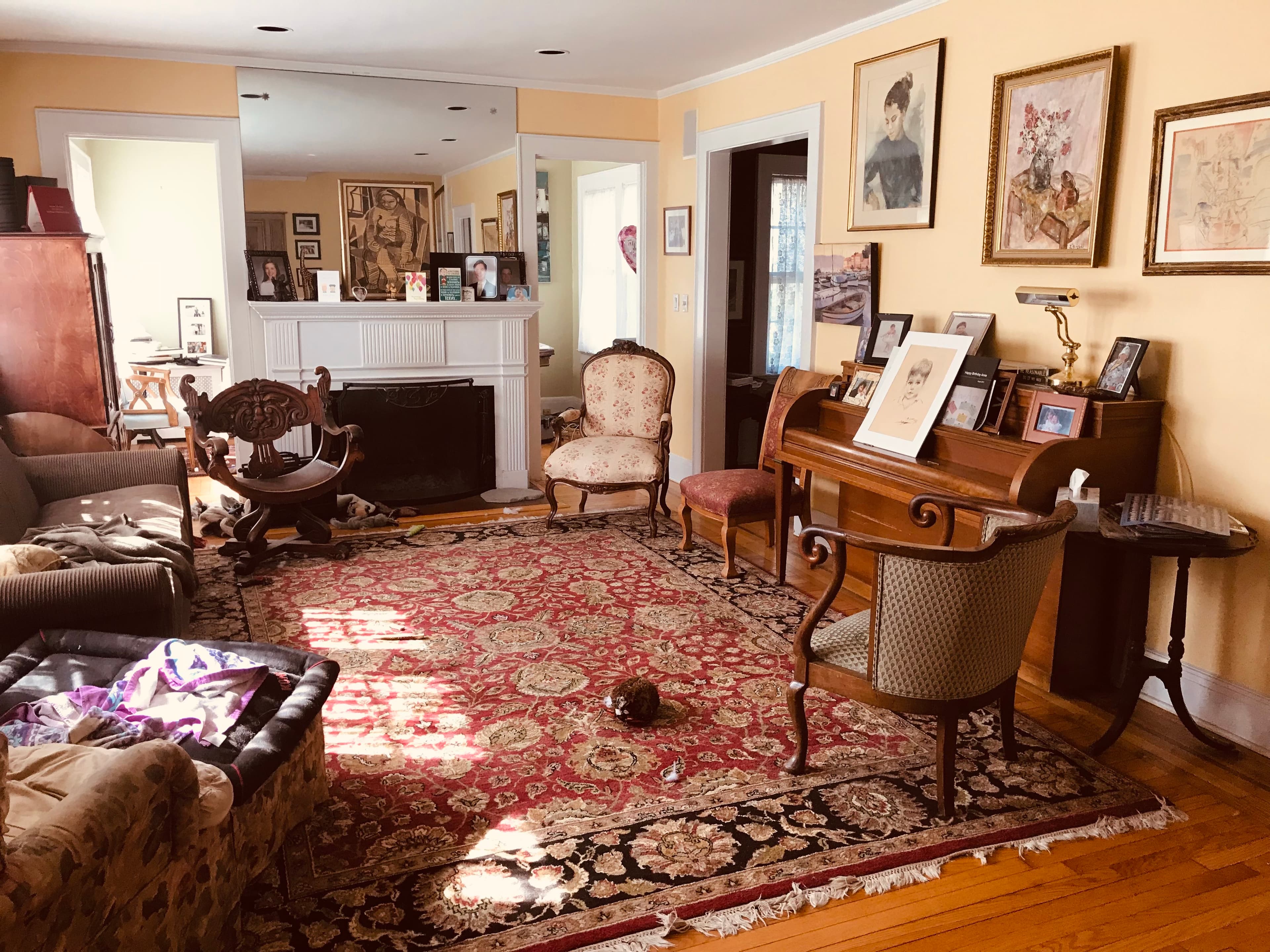
1962 Mason Hamlin Serial Number 67339
Berkelely Heights, NJ
Upright · Good condition
Nationwide Delivery Available
$2,000
View details DealerGreat Deal
1928 Mason & Hamlin A
Mesa, AZ
Grand
Stilwell Pianos
Nationwide Delivery Available
$24,990
View details Dealer
2006 Mason & Hamlin
North Bethesda, MD
Grand
Steinway Piano Gallery Washington DC
Nationwide Delivery Available
$65,000
View details Dealer
Mason & Hamlin American handmade rebuilt
Spanish Fort, AL
Grand
 Steinway Piano Gallery Spanish Fort
Nationwide Delivery Available
$19,500
View details DealerGreat Deal
1995 Mason & Hamlin BB” Handcrafted Artist #2
Denver, CO
Grand
 Classic Pianos Denver
Nationwide Delivery Available
$15,995
View detailsBuying a used Mason & Hamlin: what to check
- Golden-era (pre-1932) Masons are restoration-worthy in a way few brands are — the bones justify the investment
- Check that the Tension Resonator is intact and the soundboard holds crown; that's the design's whole advantage
- Mid-century examples (Aeolian ownership years) are more variable — judge those strictly on condition
- Because the brand is less famous than its quality, negotiate accordingly — and move fast when a good one is listed, they don't sit long
Frequently asked questions
Is Mason & Hamlin as good as Steinway?
Many technicians consider golden-era Mason & Hamlins their equal — some prefer them. What Mason lacks is name recognition, which is exactly why used prices are friendlier.
What is the Tension Resonator?
A system of steel rods under the piano connecting the inner rim, patented in 1900. It keeps the rim from spreading over decades, which preserves the soundboard's crown — and with it, the piano's tone.
Selling a Mason & Hamlin piano?
Start with how much is my piano worth? for live values, run a free instant appraisal, then list it free on US Piano Connection and reach buyers nationwide — read our guide to selling your piano or start your listing.